

How Modern Orthodontics Supports Overall Health
The Connection Between Alignment, Airways, and Sleep with Dr. Greg
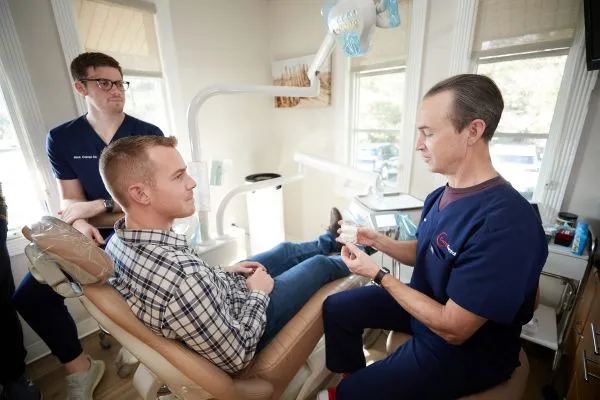 Modern orthodontic treatment goes beyond straightening teeth. It can also support overall health, particularly airway function and sleep quality.
In this blog, Dr. Greg G. Campi, who specializes in orthodontics at Campi Dental, explains how he improves not only smiles but also facial balance, breathing, and long-term wellness. With over 30 years of experience and a commitment to modern techniques and advanced technology, he takes a proactive, comprehensive approach to orthodontic treatment for patients of all ages.
How Does General Orthodontics Impact Overall Health?
Orthodontics is often associated with cosmetic alignment, but its effects extend beyond appearance. Proper tooth and jaw positioning can influence bite function, jaw comfort, and long-term oral health.
When teeth are crowded or shifted, it can affect how the jaw functions during chewing and speaking. Over time, these imbalances may contribute to uneven wear, jaw strain, and periodontal (gum) stress.
Airway Focused Orthodontics
Airway-focused orthodontics takes it a step further—by examining how alignment and jaw positioning affect breathing and sleep.
As the face develops, the structure of your jaw influences the tongue’s position and ability to function properly. When there isn’t enough space, it can contribute to dental crowding and misalignment, but also reduce airway space and sleep quality.
As Dr. Greg explains, “If the tongue lacks space, due to too narrow or retruded jaws, it can compress the back of the throat during sleep, leading to obstruction in the airway from minor to full sleep apnea.”
This condition can lead to headaches, severe daytime fatigue, and an increased risk of high blood pressure, heart problems, and stroke. Orthodontic treatment that improves jaw alignment and increases available oral space will allow you to breathe more clearly and get restful sleep.
A Complete Approach to Orthodontic Evaluation & Treatment
When developing a personalized treatment plan, Dr. Greg considers a range of health indicators that may relate to airway health, growth, and overall function, including:
- Body and facial posture
- Tonsil size (especially in children)
- Signs of poor or disrupted sleep (such as venous pooling, or “dark shiners” under the eyes, in children)
- Mouth breathing habits
- Periodontal (gum) health
- Symptoms of pain, such as TMJ-related discomfort
This whole-body evaluation helps Dr. Greg address general orthodontic needs and airway and sleep-related issues using the least invasive treatment possible.
To provide the highest quality of care and faster progress, he personally oversees and performs all treatments, maintaining an average treatment time of under 18 months, compared to the typical 2 to 2.5 years at many orthodontic practices.
What to Expect During an Orthodontic Consultation
At your first visit to Campi Dental, the focus is on understanding the whole person, not just the teeth.
Your consultation typically includes:
- A comprehensive evaluation that looks beyond the teeth
- Airway and sleep screening and questionnaire
- A review of your concerns and health history
- Personalized treatment recommendations based on your needs
This process helps identify whether airway-related factors may be contributing to orthodontic or sleep concerns.
The Best Age to Begin General Orthodontic or Airway-Focused Treatment
Early orthodontic evaluation can be valuable for both general alignment and airway development.
For children, early screening helps identify potential issues such as sleep-disordered breathing, a condition that affects up to 15% of children, with an estimated 90% of cases going undiagnosed.1
Trust, comfort, and overall wellness are central to care. Dr. Greg recommends an initial evaluation around age 6, when all primary (baby) teeth are present, as early assessment can improve sleep, daytime function, and overall mental and physical health.
In certain cases, orthotropics may be recommended for children between the ages of 7 and 10. Dr. Greg explains:
“Orthotropics is a skeletal orthopedic process with removable appliances that improve jaw growth in width and anterior forward dimensions, resulting in non-extraction, full smile, and face with healthy airways.”
This approach may be appropriate when guiding jaw development is a clinical priority.
For adults, it is never “too late” to pursue general orthodontic or airway-focused care. In fact, more treatment options are available than ever before, such as:
- Sleep and airway screening with a high-resolution pulse oximeter
- Oral Myofacial Therapy (OMT)
- Evaluation of frenum attachments
- Expansion using removable or fixed expanders
- Ceramic custom 3D-printed braces (LightForce)
- Clear aligner systems (Spark™ Aligners, Invisalign™)
- Ortognathic (jaw) surgery when clinically indicated
- Nighttime oral appliances (for mild-moderate OSA in appropriate cases)
These options allow for individualized treatment plans based on each patient’s needs and goals.
Take the Next Step Toward Better Sleep & Overall Health
Orthodontic care can play a meaningful role in more than just your smile. It can support how you breathe, sleep, and feel each day. Whether you’re considering early evaluation for your child or exploring treatment options as an adult, a comprehensive approach can help identify issues that may otherwise go unnoticed.
If you’re experiencing symptoms such as mouth breathing, poor sleep, or jaw discomfort, it may be time to take a closer look. Contact us today to schedule a consultation and learn more about personalized orthodontic care designed to support your long-term health and wellness.
Comments are closed.